ArticlesCollaboration & facilitation
Decide together
UX Workshops: five types and when to use them
A workshop can help when a team needs to make a decision together and email threads aren’t getting it there. Nielsen Norman Group groups UX workshops into five types. Choose the format that fits the question your team needs to answer.

Start with the decision
Before scheduling a workshop, name the decision the team needs to make. If it’s only a status update, we may not need one. These five formats help when the team needs time to work through a problem together.

A workshop should change what happens next
Write down the question and check who needs to help answer it. Participants should know what to review beforehand. Include someone who can act on the decision.
Discovery workshop
What are we solving, and what do we already know?
Put what the team knows in one place. Check where people disagree about the problem before choosing a solution.
- When to use it
- At project kickoff or the start of a significant new phase, especially when expectations and constraints are unclear.
- Who to involve
- Core project leads, relevant stakeholders and a sponsor or decision-maker.
A practical starting agenda
- Map the current situation, goals and constraints.
- Separate documented facts from assumptions and unanswered questions.
- Agree on research needs, milestones and decision ownership.
Leave with
A documented starting point and an action plan with named owners.
What to watch for: Stakeholder opinions are useful context, but they are not a substitute for user research.

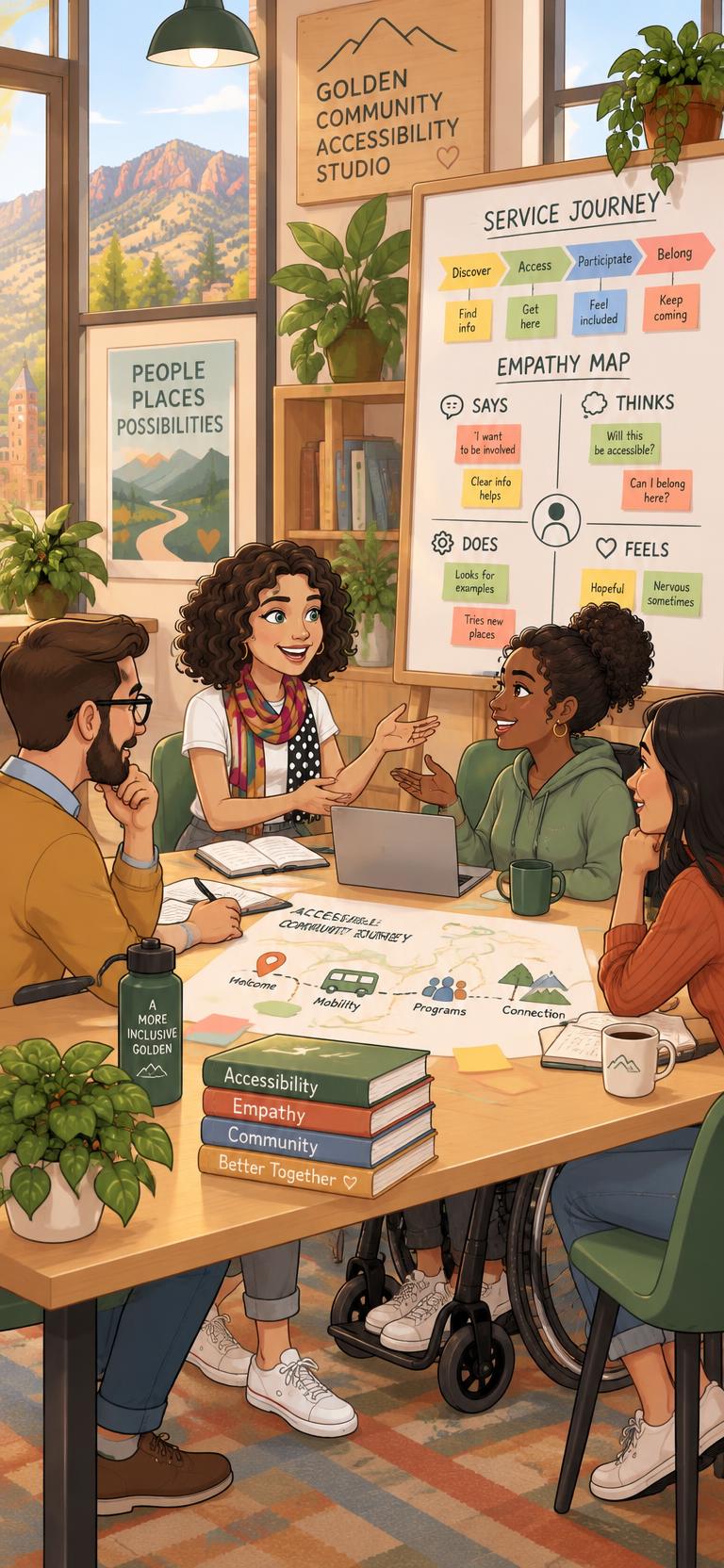
Empathy workshop
What does this experience mean for the people using it?
Go through what research says about the people using the product. Connect their needs to the decisions the team has to make.
- When to use it
- Early in a project when existing research is available, or after new research produces insights the team needs to understand.
- Who to involve
- Design, product, engineering and stakeholders who make decisions that affect the user experience.
A practical starting agenda
- Review real observations, quotes and research findings.
- Map user needs, obstacles and the context around important tasks.
- Discuss which assumptions need further research before design begins.
Leave with
An evidence-linked view of user needs and open questions.
What to watch for: An empathy map built only from imagination records assumptions, not validated insights. Label that distinction clearly.
Design workshop
What different approaches could address this challenge?
Give people time to suggest different ways to solve the problem. Compare the ideas while they’re still rough enough to change.
- When to use it
- Once the challenge is sufficiently understood and the team needs to explore possible solutions.
- Who to involve
- A diverse group with relevant design, technical, business and user-context knowledge.
A practical starting agenda
- Frame one specific design challenge and its constraints.
- Start with individual sketches or written ideas before group discussion.
- Compare alternatives against user needs and identify concepts to prototype.
Leave with
Rough concepts with reasons to test each one.
What to watch for: A popular idea is not a proven solution. Use the workshop to produce testable options, not to replace validation.

Prioritization workshop
What matters most, and what can wait?
When there’s more work than the team can take on, agree on what comes first. Record why some requests will have to wait.
- When to use it
- During roadmap planning, after identifying opportunities, or when scope starts expanding beyond agreed goals.
- Who to involve
- Product and delivery leads, design, engineering and stakeholders accountable for the priorities.
A practical starting agenda
- Agree on criteria such as user value, business relevance, effort and risk.
- Compare opportunities using a shared method and record uncertain estimates.
- Identify dependencies, decide what to defer and assign follow-up owners.
Leave with
An ordered list of work, including what we chose to defer and why.
What to watch for: Votes and scoring support a discussion; they do not make the decision objective. Rare accessibility, security or safety needs can still be essential.

Critique workshop
Does this design support the intended user goals?
Review a design against the task it needs to support. Ask for specific concerns so the designer knows what to investigate.
- When to use it
- When a concept or design is concrete enough to review, before committing to implementation or during iteration.
- Who to involve
- The designer and colleagues with relevant product, engineering, research and domain perspectives.
A practical starting agenda
- State the audience, task, constraints and the specific feedback needed.
- Discuss how the design supports or obstructs those goals.
- Capture actionable changes, unresolved questions and what needs user testing.
Leave with
A focused improvement list with rationale and ownership.
What to watch for: Critique the work, not the person. Internal feedback complements user testing; it does not replace it.

Facilitation is part of the design
Make room for quieter voices, give people time to think before discussing, and offer accessible ways to participate. Share materials in advance when possible. For remote sessions, avoid making speed with a whiteboard tool a condition for contributing a good idea.
Send a record of the decision and who owns the follow-up. A lively session that changes nothing is hard to justify. You can use the same format again if it helps; there’s no requirement to run all five.
Choose the outcome first
Choose the format that addresses the question your team is stuck on. If you can’t name that question, hold off on the invitation.
Source: 5 UX Workshops and When to Use Them: A Cheat Sheet by Kate Kaplan, Nielsen Norman Group, published December 8, 2019, last reviewed August 14, 2023. The suggested agendas are examples you can adapt, not records of client workshops.

Apply this to your own design
Describe a screen, flow or team situation you're working on. You'll get suggestions for which ideas from this article fit and what to try. Treat them as a starting point to test, not an answer.